

Why Should I Get Involved with Youth Wiki?
If you’re a policy maker, academic, researcher, or youth worker seeking information, inspiration or innovative insights, Youth Wiki is where you’ll find it, and fast.
Youth Wiki reports complex policy initiatives in accessible, plain English. Each policy area is subdivided into topics. The platform can be navigated with ease and ensures you find the information you need in the youth field.
What is Youth Wiki?
Youth Wiki is Europe’s online encyclopaedia for national youth policies.
Created by the European Commission to help policy makers in decision making, Youth Wiki provides information on youth policy within and across countries. It is a one-stop-shop to compare national structures, policies and actions that support young people across 34 countries.
Youth Wiki Ireland is managed by ourselves in Léargas, and nationally co-funded by the European Commission and the Department of Children, Equality, Disability, Integration and Youth.
How Will Youth Wiki Benefit Me?
If you’ve ever found yourself puzzled by policies or lost in legislation, you know that navigating national and international policies can be difficult. Youth Wiki has a clear structure so that you can access comprehensive, qualitative information easily. Youth Wiki can also be quickly searched by either country or policy area.
But that’s not all! Youth Wiki also recognises the importance of peer-to-peer relationships and enables peer-learning activities, which helps to create and maintain a supportive and innovative environment! It is the ideal platform for policy makers to find inspiration for new youth policies, programmes or reforms already established by other European nations.
Not a policy maker? No problem. Youth Wiki can still play a vital role in your field of expertise. Academics and researchers may benefit from comparing initiatives and outcomes across countries while front line youth workers and those working in youth organisations can use Youth Wiki to find additional opportunities that could benefit young people.

I’m Interested; What Now?
If you’ve identified the benefits of engaging with Youth Wiki on a professional level, you’re probably keen to know what you can expect when interacting on the platform.
So, let’s consider its structure, and highlight the various resources available.
- The main source of the platform’s information is official documents from national top-level authorities in the youth field.
- The platform reports on initiatives that receive state funding.
- You can access information on policy areas in the Youth Wiki ‘chapters’:
- Youth Policy Governance
- Voluntary Activities
- Employment and Entrepreneurship
- Social Inclusion
- Participation
- Education and Training
- Health and Well-Being
- Creativity and Culture
- Youth and the World
- Youth Work.
- Information from studies, surveys, analyses or assessments/evaluations, conducted directly by public authorities or commissioned to research centres, experts, and think-tanks, is also provided.
- Readers can also expect to be directed to further resources where they can find additional information on each topic.
- Interactive maps to help you quickly compare policies across countries.
Please note: Youth Wiki Ireland provides the highest standard of data. The information is written by the National Correspondent and thoroughly fact-checked and edited by subject matter specialists, chosen for their expertise in the relevant youth policy area.
Policy Fields
You can access information on policy areas in the Youth Wiki ‘chapters’:

Youth Resources
-
2026 ERASMUS+ Guide for Experts on Quality Assessment
2026 ERASMUS+ Guide for Experts on Quality Assessment
-
Erasmus Accreditation in the field of Youth Guidelines for Budget Allocation Call 2026
Guidelines for Budget Allocation
-
Erasmus+ Guide for Experts on Quality Assessment 2025
Guide 2025
-
Erasmus+ Youth Accreditation Budget Allocation Guidelines 2025
Guide 2025
-
Erasmus+ Programme Guide 2026
Publication
-
Erasmus+ Programme Guide 2025
Publication
Key Events

From Idea to Impact – An Erasmus+ Youth and European Solidarity Corps Project Lab for Deaf and hard-of-hearing people and organisations
Do you have a youth project idea and want Erasmus+ or ESC funding? Get support to develop it, choose the right format, and meaningfully involve Deaf or hard-of-hearing people.
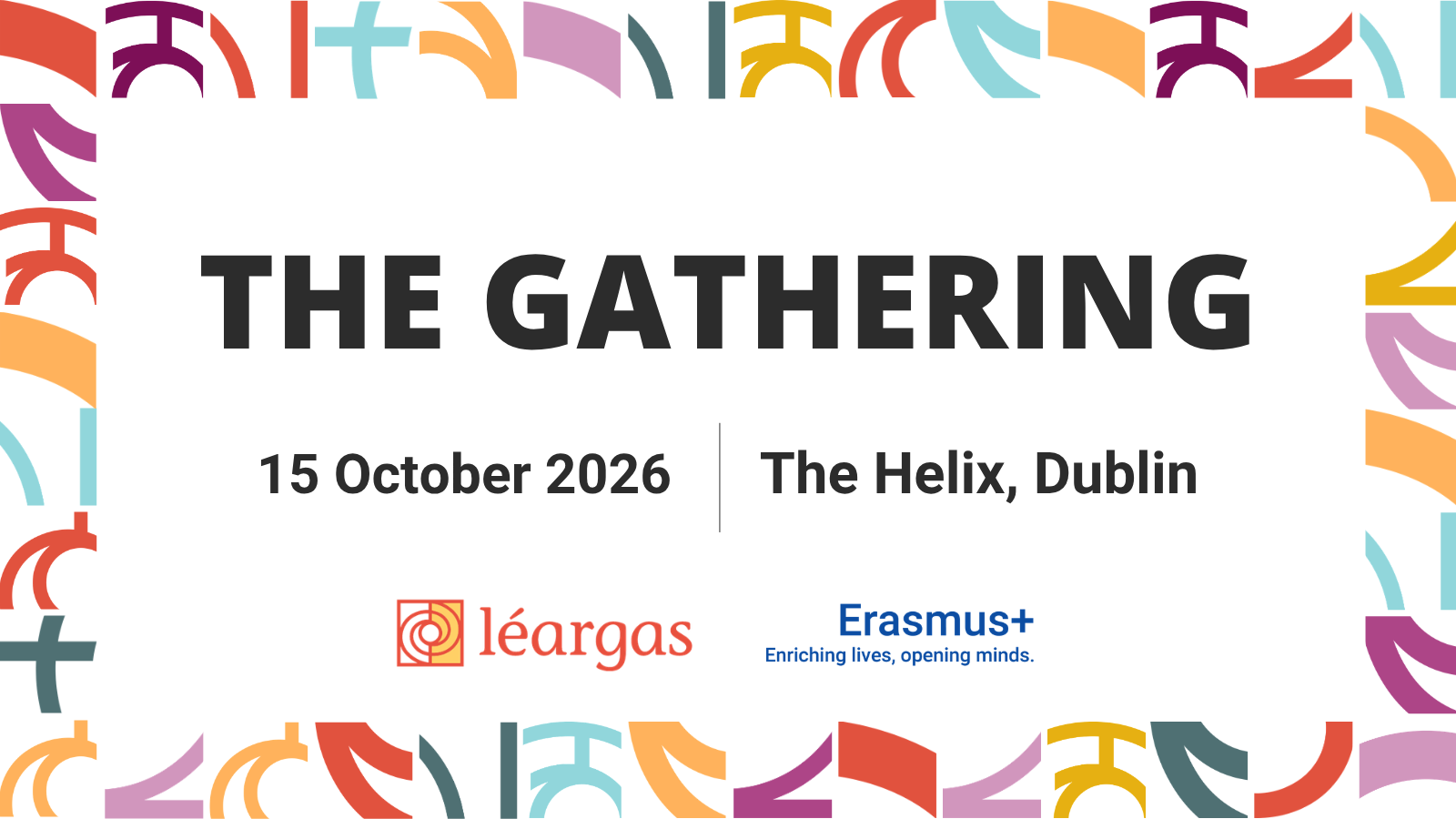
The Gathering 2026
Join us for The Gathering 2026 – Léargas’ annual flagship event celebrating the transformative impact of Erasmus+, European Solidarity Corps, and other European initiatives.

Application Clinic: Youth Participation Projects
Learn how to apply for Youth Participation Projects at our Application Clinic.

Application Clinic: Erasmus+ Youth Exchanges and Youth Worker Mobilities
Learn how to apply for KA152 Youth Exchanges and KA153 Youth Worker Mobilities at our Application Clinic.

Opportunities for Youth Work Organisations and Youth Workers Info Session
This is an informal session designed to provide you with an overview of the opportunities available in Erasmus+ Youth, specifically Youth Worker Mobilities.