

Volunteering Projects
Learn about:
- Aims and impact of volunteering
- Activities you can take part in
- Who can take part
- Funding
Volunteering Projects
What is a Volunteering Project?
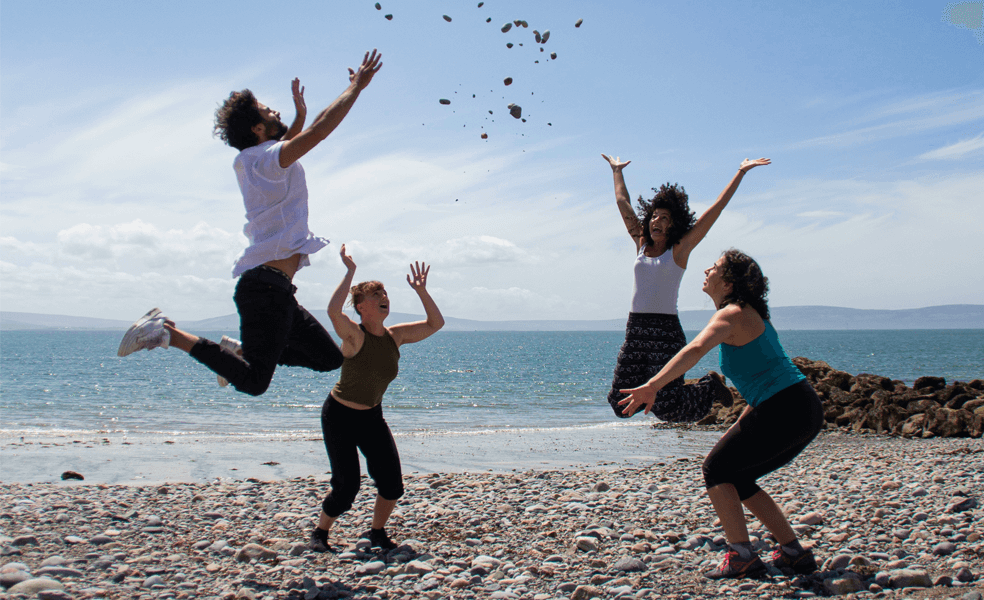
A Volunteering Project is where you volunteer with an organisation to take on challenges and help communities. You can volunteer in your own country (called ‘in-country’) or in another country (called ‘cross-border’). A Volunteering Project might set out to protect human rights, tackle climate change, or help include different kinds of people in society.
How Will Volunteering Benefit Me?
Many young people find volunteering helps them develop their personal, educational, social, civic, cultural and professional skills, by working with others and giving something back to the community.
How Do I Get Involved?
You can take part in two ways:
- As an individual volunteer
- As part of a volunteering team
As an Individual Volunteer you can contribute to the daily work of organisations that benefit the community. You can volunteer for between two and 12 months.
To help young people with fewer opportunities take part, in some cases you can volunteer for between two weeks and two months.
As part of a Volunteering team you can volunteer together with participants from at least two different countries, for between two weeks and two months. A Volunteering team must be truly international – at least a quarter of the volunteers must come from a country other than the one you volunteer in.
What Happens on a Volunteering Project?
There are four stages in a Volunteering Project. You’ll work with an organisation to guide you through all of them.
- Planning: Defining what you will learn and what you will do each day
- Preparation: Making practical arrangements like getting the travel documents you need, deciding where you will stay, how you will travel to the place where you volunteer, who will mentor you
- Implementation: Carrying out the voluntary work
- Follow-up: Evaluating how your experience was, getting a certificate of participation, sharing your learning with others
Can I Take Part?
You can take part if you are:
- Between 18 and 30 years old
- A legal resident of the Republic of Ireland.
If you are a legal resident of another country that is part of the European Solidarity Corps, check with the European Solidarity Corps National Agency in that country.
Where do I Register My Interest?
Register on the European Solidarity Corps Portal. The Portal is a place for young people and organisations to find each other. When you have registered, an organisation can contact you and ask you to take part in a project. Young people with fewer opportunities may receive support from organisations to complete registration. For more information, visit our Volunteering Projects Application page. And remember, some of the terms we use can seem overwhelming at first, so check out our Jargonbuster page for a handy glossary!
Can I Take Part More Than Once?
You can only volunteer as an individual once. You can volunteer as part of a Volunteering Team more than once.
What Else Should I Know?
Before you go you may receive training and support with language learning. You will receive insurance while you are away. You may also receive a document showing what competences you gained while you volunteered.
What Funding is Available?
- Travel – for return travel costs from participants’ homes to the place they will learn or train
- Inclusion Support – to enable people with fewer opportunities to take part
- Pocket Money – Contribution to additional personal expenses for participants
- Language learning support – for language learning materials and training, where needed.
Application Deadline
Visit our Deadline page for more information.
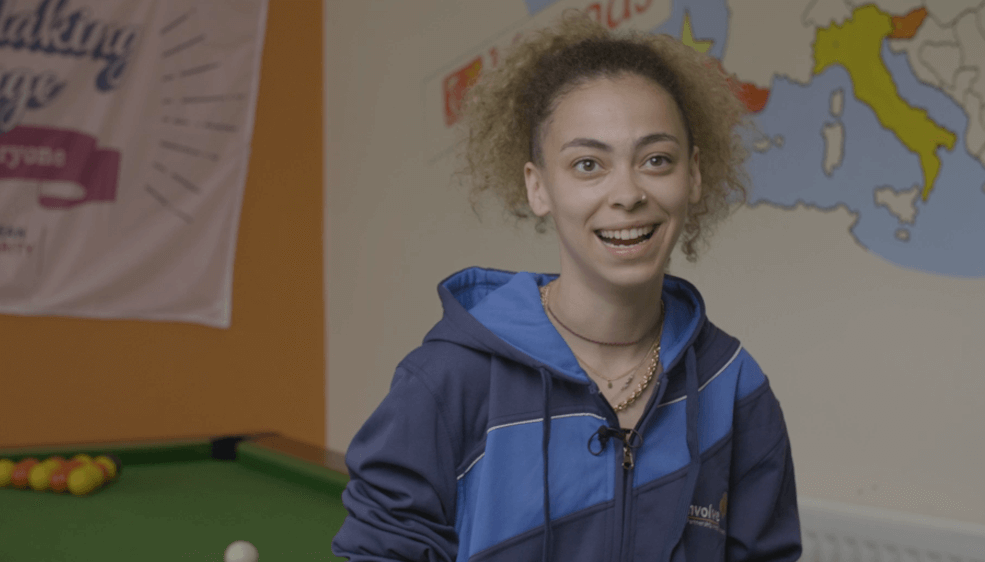
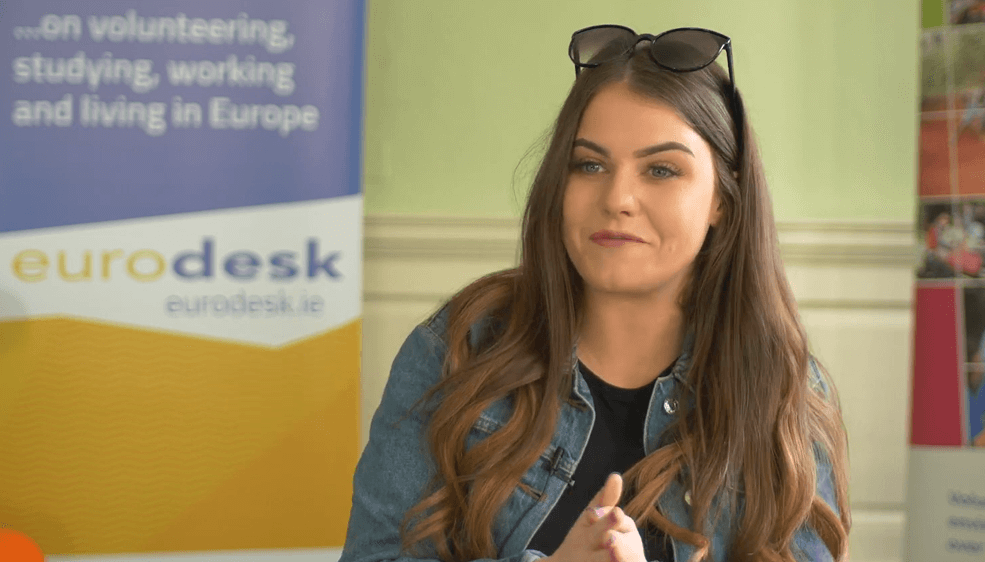
European Solidarity Corps: Amy's Story
 Play video about European Solidarity Corps: Amy's Story

Learn More

European Solidarity Corps Resources
-
European Solidarity Corps: Explore, Experience, Empower
A Guide to the European Solidarity Corps
-
European Solidarity Corps Budget Allocation 2022
Guide, 2022
-
European Solidarity Corps Project Directory, 2019
Ireland, 2019
-
European Solidarity Corps Project Directory, 2018
Ireland, 2018
-
European Solidarity Corps Funded Projects, 2020
Ireland, 2020
-
European Solidarity Corps Funded Projects, 2019
Ireland, 2019

Key Events

SoliDARE – Meeting for organisations active in ESC in programme & partner countries
This event brings together European Solidarity Corps organisations and practitioners to reconnect, exchange experiences, strengthen the ESC community, and help shape the future of EU volunteering.

ID Talks Social Justice
ID Talks is a series of 5 stand-alone online workshop with guest speakers, thought-provoking insights, discussion in small groups and Q&A sessions.

European Solidarity Corps – Information Session
This short online information session is designed for those who wish to explore the volunteering and funding opportunities under ESC.

Application Clinic- ESC and Youth Participation Projects
Get ready to learn how to apply for ESC and Youth Participation Projects at our Application Clinic – see you there!

Erasmus+ Youth, Sports and European Solidarity Corps- information session
Léargas is co-hosting a special event where you will find out more about youth exchanges, youth worker mobilities, participation projects, sport mobilities, volunteering locally and internationally.

European Solidarity Corps- Learning Network- How to write your final report
Are you struggling to talk about the impact of your European Solidarity Corps Project? If so, this workshop is for you!
European Solidarity Corps Links

Latest News
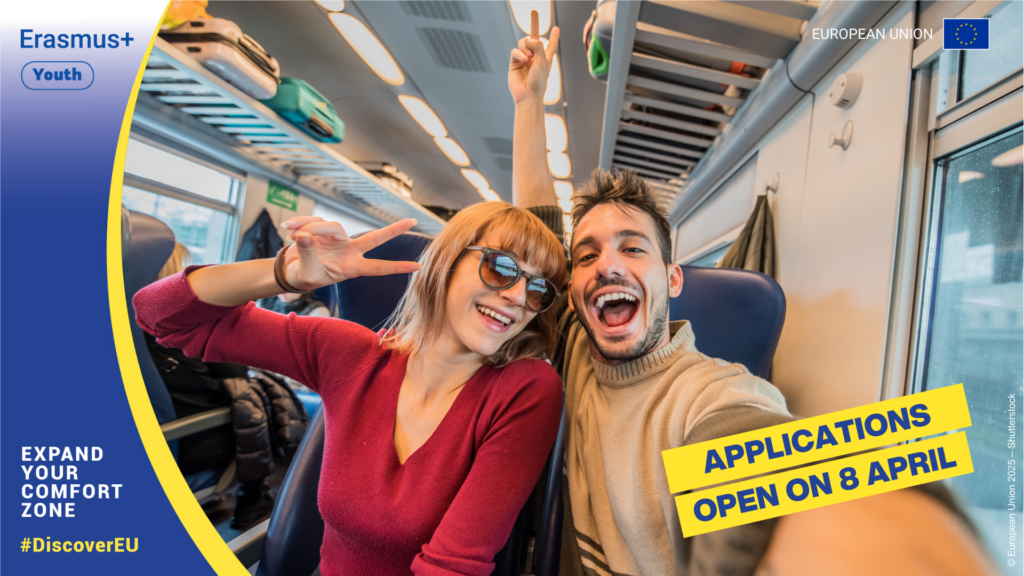
The next DiscoverEU application round opens on 8 April 2026!
The next application round of DiscoverEU will take place between 8 and 22 April 2026. Read on to learn more!